
Videos
Why are some people good at direction recognition?
Good navigation depends on many senses and brain cells, and reducing GPS use can also improve this ability.
Browse ScienceInfo articles and explainers related to Brain Cell.
43 published items.
Good navigation depends on many senses and brain cells, and reducing GPS use can also improve this ability.
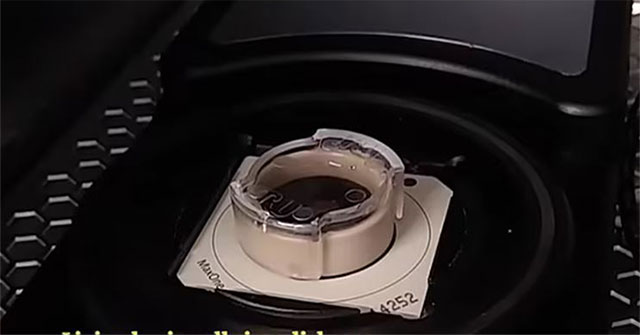
The leap forward development of artificial intelligence (AI) makes the scientific community warn that the day when machines will overtake humans are not far away.

A team of Japanese scientists have built a robot with brain-like neurons to teach it how to think like a human.
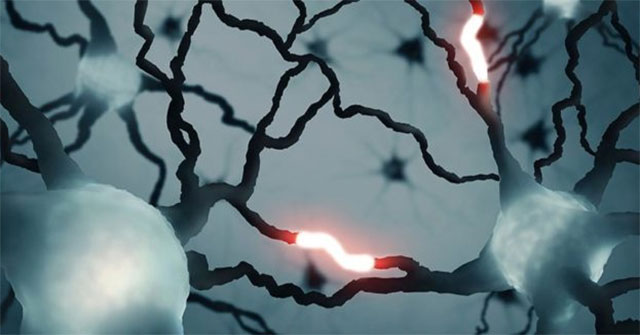
Researchers have found a mechanism in the outer cells of the cerebral cortex that creates new signals that allow nerve cells to perform their logical functions.

We always feel our minds constantly think about one thing after another, without stopping.

There are truths you always believe to be true but not at all. Let's explore the 12 misperceptions below, you'll have to utter astonishment!

Sometimes your mind thinks and chooses this, but your hand takes something else, how to explain it. Is anyone controlling you?
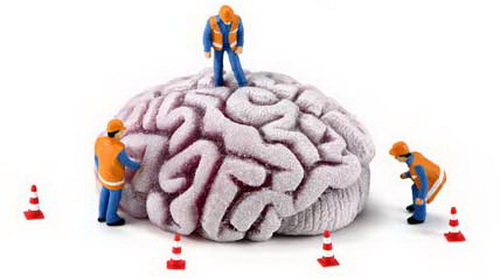
The male and female brains are not different, the brain is always changing, the brain is becoming smaller ... are interesting discoveries of scientists about the human b…

Many of us have long mistakenly believed in some incorrect scientific or folklore concepts. Are you confident with your common scientific knowledge? Let's go back offlin…
The latest discoveries as well as the typical scientific achievements that people achieve in the process of

Many people think that couples have to date and have dinner together for several months before saying love, but a study shows ...
Instead of just fixing in a DNA sequencing way, human brain cells have surprisingly diverse genetic levels.
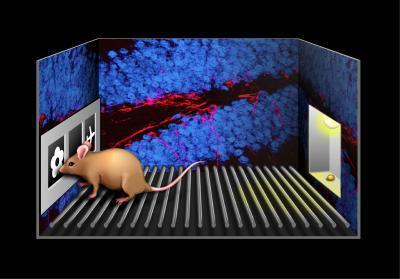
The human body continues to produce brain cells throughout life - it is an undisputed fact. But until now, the purpose of this production is still a controversial topic…

Neurological experts from Massachusetts Institute of Technology have demonstrated the existence of nerve cells that store memories of time in the human brain.

Scientists believe that research can provide hope for treatments for Alzheimer's disease.